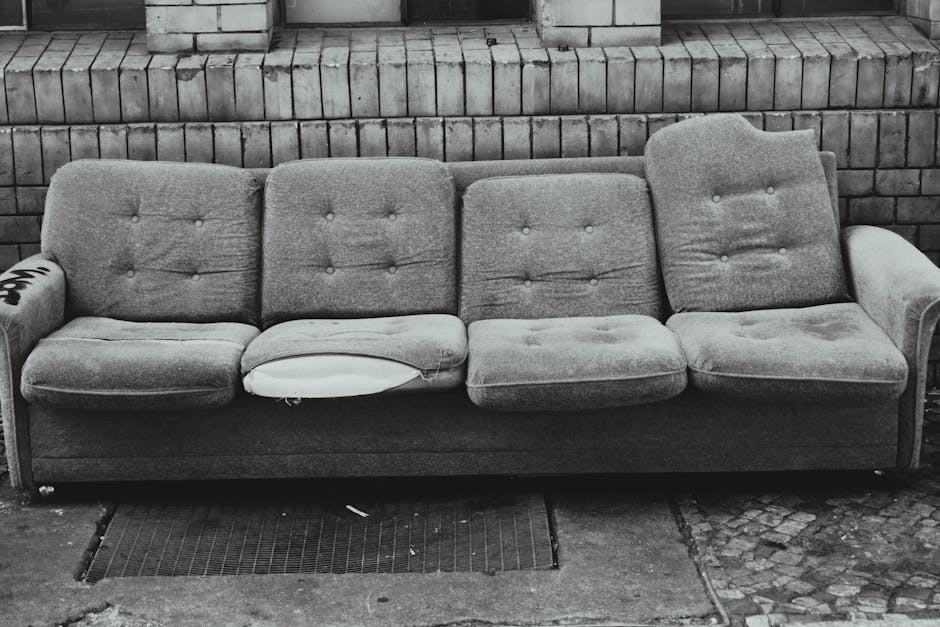
Merton Council rules for upholstery disposal and fees
Posted on 26/06/2026
Merton Council rules for upholstery disposal and fees: a practical local guide
If you are trying to get rid of an old sofa, armchair, footstool, or padded dining chair, the process can feel oddly confusing. One minute you are asking whether it counts as bulky waste, the next you are wondering if the council will collect it, how much it costs, and whether you need to strip the fabric off first. This guide breaks down Merton Council rules for upholstery disposal and fees in plain English, so you can make the right call without wasting time or risking a missed collection.
We will cover how upholstery disposal usually works in Merton, what fees you may need to pay, which mistakes cause problems, and when a private removal option might make more sense. If you live in a flat, are moving out, or are dealing with a bulky item that has seen better days, you are in the right place.
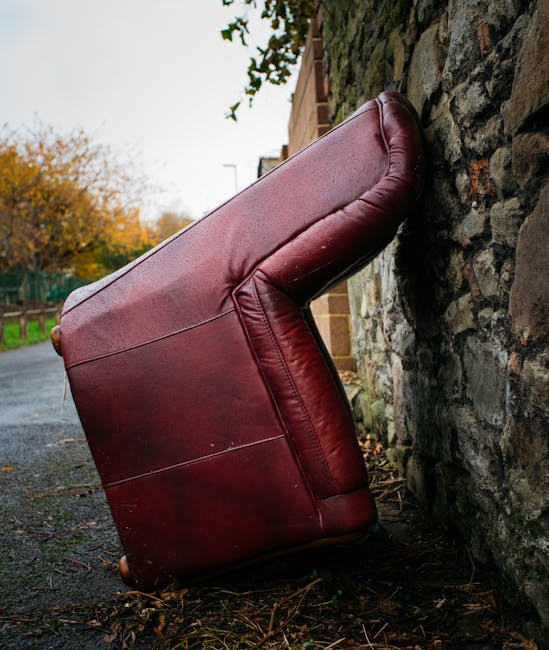
Why Merton Council rules for upholstery disposal and fees Matters
Upholstery waste is not like putting out an ordinary bin bag. Sofas, chairs, and other soft furnishings are bulky, awkward to move, and often classed differently from standard household rubbish. In practice, that means the council may have specific rules about how the item must be presented, when it can be collected, and what fee applies.
Why does that matter? Because a wrong assumption can leave an item outside for days, attract complaints from neighbours, or lead to a collection being refused. Truth be told, that is a headache nobody wants on a damp Tuesday morning with a hallway blocked by an old three-seater.
It also matters for landlords, tenants, and anyone clearing a property quickly. A sofa left behind after a move-out can delay cleaning, handover, and even the next stage of a refurbishment. If you are already planning a deeper clean, you may also find related guidance on bulky carpet waste in Merton useful, because the same planning mindset applies to larger soft furnishings too.
Another reason this topic matters is cost control. Many residents think the council is always the cheapest answer, but not always. Sometimes a formal bulky waste booking is best. Sometimes donation, reuse, or a private clearance is easier. The right option depends on the item, urgency, access, and whether the upholstery is still in decent condition.
Expert takeaway: the best disposal method is usually the one that is accepted, convenient, and proportionate to the item's condition. Cheapest is not always smartest, and quickest is not always cheapest. That balance is the real game here.
How Merton Council rules for upholstery disposal and fees Works
Although council processes can change over time, the basic structure is usually familiar across London boroughs. Upholstered items are often handled as part of a bulky waste service rather than standard household waste. That means you typically need to book a collection in advance, follow presentation rules, and pay any applicable charge.
What counts as upholstery?
In everyday terms, upholstery usually means soft furnishings covered in fabric, leather, vinyl, or similar materials. Common examples include:
- Sofas and sofa beds
- Armchairs and tub chairs
- Dining chairs with padded seats
- Footstools and ottomans
- Headboards with upholstered sections
- Fabric-covered benches and window seats
The important thing is not the exact fabric. It is the fact that the item is bulky, upholstered, and not suitable for normal weekly refuse collection.
How council collection bookings usually work
Most residents start by identifying the item, checking the accepted size and item limits, and booking a collection slot. You may be asked to place the item outside in an accessible location by a certain time on collection day. If your property has tight access, a narrow path, or multiple flights of stairs, that can matter more than people expect. A collection crew cannot magic a sofa through a hallway that barely fits a vacuum cleaner.
There are usually also rules about separation and preparation. For example, you may need to keep the item dry, avoid blocking pavements, and not mix it with ordinary rubbish. Some councils also ask for items to be dismantled where possible, especially if they are too large to move safely in one piece.
What fees tend to cover
Fees for council bulky waste services generally reflect the handling, transport, and disposal of the item. Upholstered furniture can be harder to process than simple waste because it is large, mixed-material, and often needs sorting before final treatment. The exact fee can vary, and councils may set prices by item, by collection, or by load size.
If you need a precise number, always check the current council booking system or published service information at the time you arrange collection. Charges can change. A fee that was right six months ago may not be the current one now, and that is perfectly normal for local authority services.
What can cause a refusal or extra hassle?
- The item is not presented in the agreed place
- The item contains hazardous additions, like sharp metal or concealed waste
- The item is too heavy for safe lifting without prior arrangement
- The collection is booked without adequate access
- The resident leaves additional rubbish beside the item
That last one is a classic. One sofa becomes a sofa, three bin liners, a broken lamp, and a bit of a neighbour issue. Not ideal.
Key Benefits and Practical Advantages
Using the right disposal route is about more than simply getting rid of clutter. It can save time, reduce stress, and lower the odds of a failed collection. Here are the main advantages.
- Cleaner compliance: You are less likely to breach local waste rules or create an obstruction.
- More predictable costs: A council fee, where available, can be easier to budget for than a last-minute clear-out.
- Less physical strain: Council collection or professional removal can be safer than trying to haul a bulky sofa down stairs yourself.
- Better property presentation: Particularly useful before a tenancy check-out, sale, or deep clean.
- Reduced fly-tipping risk: A proper collection route keeps waste out of alleyways, pavements, and communal areas.
There is also a quieter benefit that people often overlook: peace of mind. When the booking is sorted, the item is on its way out, and you do not have to keep staring at it every time you walk into the room. Small win, but a real one.
If your disposal plan is part of a full home reset, you might also find it helpful to compare costs with other household services such as average carpet cleaning prices in Merton or look at how residents manage cleaning around moves with end-of-tenancy cleaning in Merton Park and Colliers Wood. Often, the smartest plan is to bundle tasks in the right order.
Who This Is For and When It Makes Sense
This topic is relevant to a lot of people, probably more than you think. If you live in Merton and have an upholstered item to remove, the council rules and fees are worth understanding before you act.
Homeowners
If you are replacing furniture, renovating, or clearing a spare room, you want a disposal method that is legal, affordable, and easy to manage. Council collection may be ideal if you only have one or two items. If you have a full lounge suite, you may need a broader plan.
Tenants
Renters often deal with disposal at the end of a tenancy. Maybe the previous occupants left something behind, or perhaps your own furniture needs removing before handover. In that situation, timing matters. A missed booking can affect checkout, deposit discussions, and your move day. Nobody needs that drama.
Landlords and letting agents
For landlords, upholstery disposal is often part of a larger turnaround. It might happen after a tenant move-out, following damage, or during a deep clean before marketing the property again. If you are organising a fast refresh, pairing disposal with end-of-tenancy cleaning in Merton can keep the whole process moving.
Office and commercial users
While this article is mostly about household upholstery, businesses sometimes face the same issue with waiting-room chairs, reception seating, or fitted soft furniture. The principle is similar: check what the service accepts, plan access, and understand the cost before you book.
When does it make sense to use the council? Usually when the item is accepted, the schedule suits your timing, and you only need a straightforward removal. If the furniture is heavy, awkward, soaked, infested, or urgently blocking access, a private service can be the more practical option.
Step-by-Step Guidance
Here is a sensible way to handle upholstery disposal without overcomplicating it.
- Identify the item properly. Is it a sofa, armchair, footstool, or another upholstered piece? Check whether it has removable parts or a metal frame.
- Check its condition. If it is reusable, donation or resale may be worth considering. If it is heavily damaged, disposal is usually the better route.
- Decide whether council collection is suitable. Consider size, access, urgency, and the number of items.
- Review the current fee and booking rules. Charges can change, and some items may have different handling requirements.
- Prepare the item for collection. Move it to the agreed location, keep it dry, and avoid blocking shared access routes.
- Remove loose personal items. Cushions, remotes, paperwork, or anything hidden under the frame should be taken out first.
- Keep the area clear on collection day. If the crew cannot reach it safely, the booking may fail.
- Confirm what happens next. If the item is not collected, note any reference number or booking detail so you can follow up quickly.
A small tip from real life: if you are doing a bigger clear-out, do the sofa first and the deep clean second. Otherwise you can end up cleaning around furniture you still need to move. Sounds obvious, but people trip over this one all the time.
Expert Tips for Better Results
These are the little details that make disposal smoother and often save money.
- Measure before booking: Doorways, stairwells, and lift access can matter more than the furniture itself.
- Separate reusable parts: If cushions, covers, or detachable legs can be reused or recycled separately, deal with them in advance.
- Avoid last-minute stacking: Keeping the item in a communal hallway can cause complaints or access problems.
- Use photos for planning: A quick picture of the item helps if you need to compare disposal options or ask for a quote.
- Think in sequences: Declutter first, remove bulky furniture second, deep clean third. The order matters more than people think.
- Keep proof of booking: Useful if you live in a block and need to explain collection timing to neighbours or a managing agent.
Also, if you are clearing multiple rooms, look at the whole picture. A chair, a rug, and a stained sofa may all need different handling. That is where having a broader local plan helps, especially if you are already arranging carpet cleaning in Merton or upholstery cleaning in Merton to refresh items you are keeping.

Common Mistakes to Avoid
People usually get into trouble for the same few reasons. Easy to do, honestly.
- Assuming all furniture is accepted: Some upholstered items may need special handling.
- Leaving the item in the wrong place: A collection crew is not going to hunt around the building for it.
- Mixing furniture with loose waste: This can lead to a refusal or extra charge.
- Ignoring access issues: Narrow stairs, locked gates, or permit restrictions can block collection.
- Forgetting timing constraints: Some services expect items to be out by a specific time.
- Booking too late during a move: That one is common and annoying. Furniture removal is easiest when planned, not improvised.
Another classic mistake is deciding a sofa can be "just left near the front" for a day or two. In shared housing or flat blocks, that is usually a bad move. It may attract complaints, and if the weather turns damp, the smell can be grim. Not ideal at all.
Tools, Resources and Recommendations
You do not need a van full of gear to handle upholstery disposal well, but a few simple tools make the job easier.
- Measuring tape: For checking access, item size, and lift clearance.
- Basic gloves: Handy if the fabric is dusty or the frame is splintered.
- Phone camera: Use it to photograph the furniture before you move it.
- Marker pen and tape: Helpful if you are labelling items for different destinations, such as recycle, keep, or dispose.
- Blanket or furniture strap: Useful only if you are moving the item yourself and know what you are doing.
For households that are carrying out a broader clean-up, a practical pair of reading links can help you plan the rest of the job. See the services overview for the sort of support many residents use when they want the clean and the clearance to happen in a sensible order. You may also want to look at pricing and quotes if you are comparing the cost of different approaches.
If you care about service standards and peace of mind, the pages on insurance and safety and health and safety policy are good reminders of the kind of safeguards you should expect from any professional service working in your home. Small details, but they matter.
Law, Compliance, Standards, or Best Practice
Upholstery disposal sits inside the wider framework of household waste management, duty of care, and environmental best practice. You do not need to become a waste-law specialist, thankfully, but it helps to understand the main principles.
First: waste should be disposed of through a lawful route. That means not dumping items on pavements, in communal bin areas, or near collection points unless that is specifically allowed and scheduled.
Second: residents are expected to present waste correctly. If a bulky collection is booked, the item usually needs to be accessible, safe to lift, and set out as instructed.
Third: mixed-material furniture can be harder to process, so some councils or contractors may separate items for recycling, reuse, and final disposal where possible. That is one reason fees exist: handling bulky items takes labour and logistics, not just a quick pickup.
Best practice is simple: check the current council rules before you move anything, keep proof of booking, and do not assume an item can be left out indefinitely. If you are unsure, err on the side of asking rather than guessing. It saves time later.
For general business and privacy details about how a service handles customer information and transactions, pages such as payment and security and privacy policy provide the sort of reassurance many people like to review before booking anything online.
Options, Methods, or Comparison Table
Here is a practical comparison of the main ways to deal with upholstered furniture in Merton. Exact availability and fees can vary, but this should help you think clearly.
| Method | Best for | Typical advantages | Potential downsides |
|---|---|---|---|
| Council bulky waste collection | One or a few items, planned disposal, residents who can wait for a slot | Local, straightforward, usually cost-controlled | May need booking in advance; access rules can be strict |
| Reuse or donation | Furniture in decent condition | Potentially free, avoids waste, keeps useful items in circulation | Collection criteria can be picky; not suitable for damaged items |
| Private clearance service | Urgent removals, multiple items, awkward access, full property clear-outs | Flexible timing, labour included, can handle more volume | Usually more expensive than a council booking |
| Self-haul to a disposal point | Households with transport and lifting help | Can be economical if you already have access to a suitable vehicle | Heavy lifting, loading risk, time-consuming, not always practical |
If the item is still in usable condition, reuse is often the nicest outcome. If it is too worn, stained, or broken to pass on, council disposal or a private clearance is usually more realistic. Simple as that.
Case Study or Real-World Example
Imagine a resident in a flat near Wimbledon who needs to remove a worn two-seater sofa before an end-of-tenancy clean. The sofa is bulky but not rotten, and the landlord wants the room cleared before the final inspection. The resident has two choices: try to move it themselves or book a proper collection.
They check the size, take a photo, and realise the lift is too small to make self-removal worthwhile. One stair corner is tight, and they would need at least two strong people plus a vehicle. Instead of wrestling with it at 8 p.m. after work, they book a council collection for the following week and plan the rest of the clean around that date.
That choice avoids a lot of stress. The furniture goes out in the right place, the hallway stays clear, and the final deep clean can happen after the bulky item is gone. In practical terms, the whole job is smoother. A bit boring, maybe. But boring is good when you are moving house.
In a different scenario, a family in Morden may have a fabric armchair that is still usable but no longer needed. Because the item is presentable, they decide to look into reuse first. That can work well if the chair is clean, structurally sound, and easy to transport. If not, a council collection is the backup plan. There is no prize for making life harder than necessary.
Practical Checklist
Use this checklist before you book or move anything.
- Have you identified the item clearly?
- Is it upholstered furniture rather than ordinary rubbish?
- Have you checked whether it is reusable, donation-worthy, or disposal-only?
- Do you know the current council booking rules and fees?
- Is the access route clear and safe?
- Can the item be moved without blocking neighbours, exits, or pavements?
- Have you removed loose contents and personal items?
- Do you have proof of the booking or removal plan?
- Have you scheduled the disposal before any deep clean or tenancy handover?
- Do you know what you will do if the collection is missed or refused?
If you can tick most of those off, you are in good shape. If not, pause and sort the gaps first. It is always easier than fixing a failed collection later.
Conclusion
Dealing with upholstered furniture disposal does not need to be stressful, but it does need a bit of planning. The key things to remember are simple: check the rules, confirm the fee, prepare the item properly, and choose the route that fits the item's condition and your schedule.
For many households, Merton Council rules for upholstery disposal and fees provide a practical, lawful way to get rid of bulky furniture without drama. For others, a reuse route or private removal service may be the better fit. The smart move is not just to get rid of the item, but to do it cleanly, safely, and at the right moment in your wider house or tenancy plan.
If your clearance is part of a larger refresh, it can help to think about the whole property at once, from furniture removal to carpet care to final cleaning. That way, you are not moving the same obstacle three times. And honestly, that is the difference between a messy weekend and a manageable one.
Get a free quote today and see how much you can save.